Blello Evwybody and blelcome to Gardening 101 with me, Tiny Chef, hewe! Bly am sharing everything I know about Gardening basics with yewww to get you into the garden and weady to grow! The Tiny Team ish helping me wif dis guide wite hewe. Blokay, pwease blenjoy evwybody!
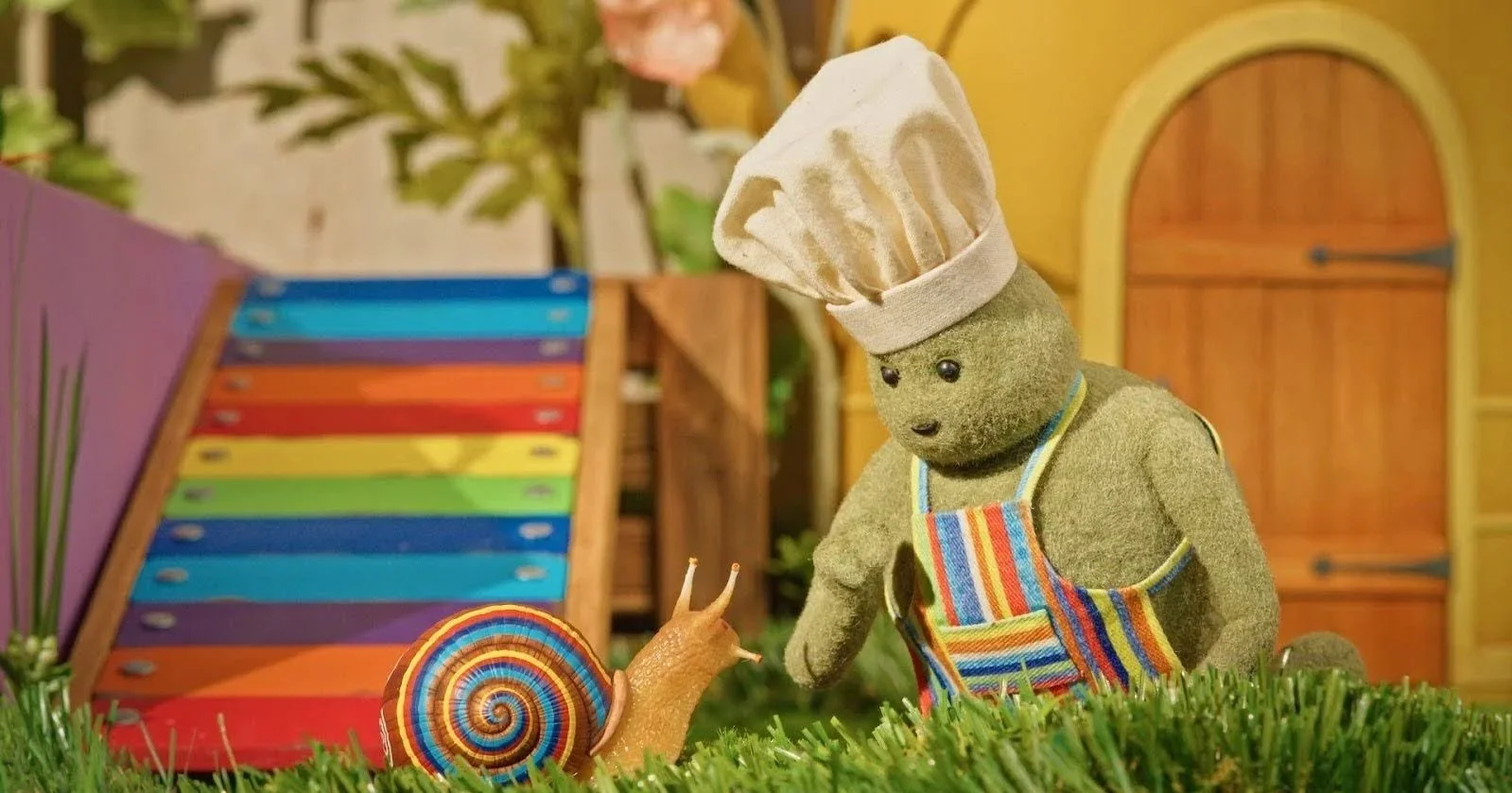
CHEFFY’S TOOL SKOOL!
Learn about which tools Chef LUBS to use, where to find them and how to use them!
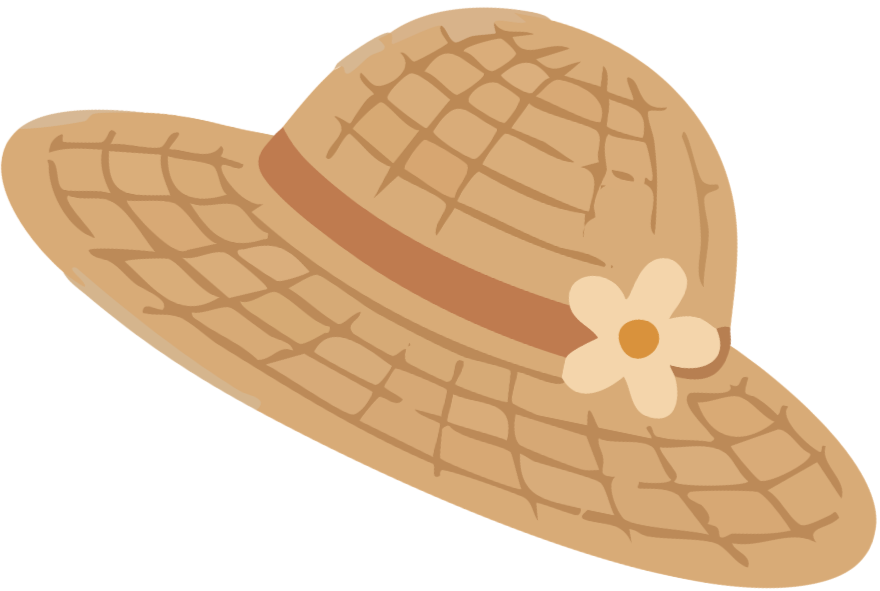
Sun Hat
Even on cloudy days, a straw sunhat (and SPF sunscreen for that matter!) is non-negotiable for Chef. SPF safety is fun in the sun!
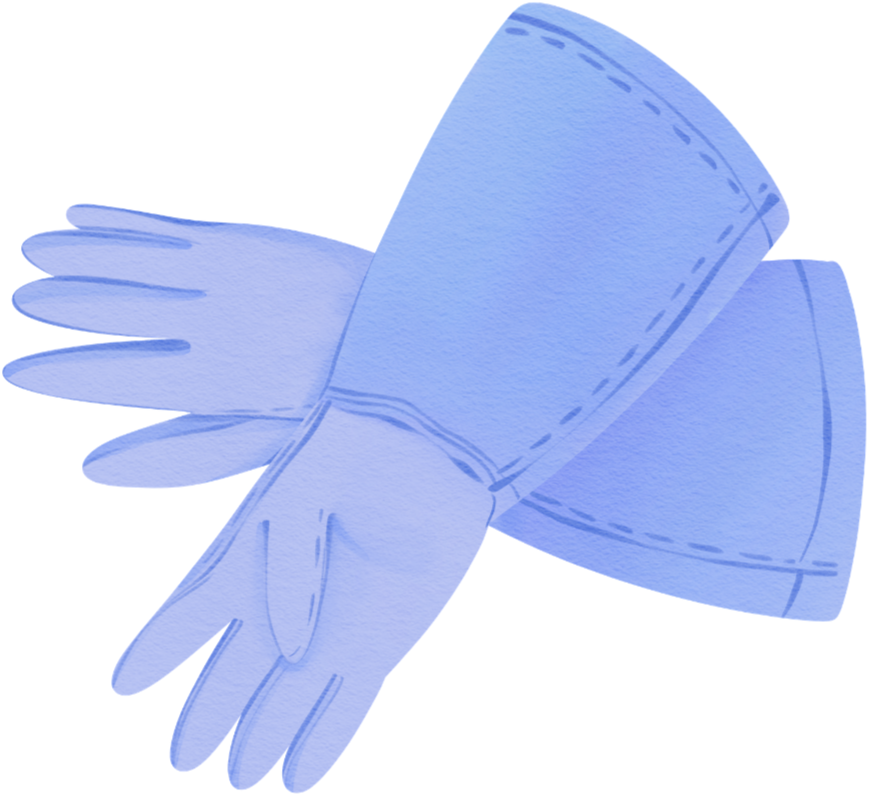
Gardening Gloves
These gloves can serve to keep hands (and fingernails) free of dirt and also keep you safe from thorny branches,prickly weeds, or the occasional bug who might have woken up on the grumpy side of the bed.
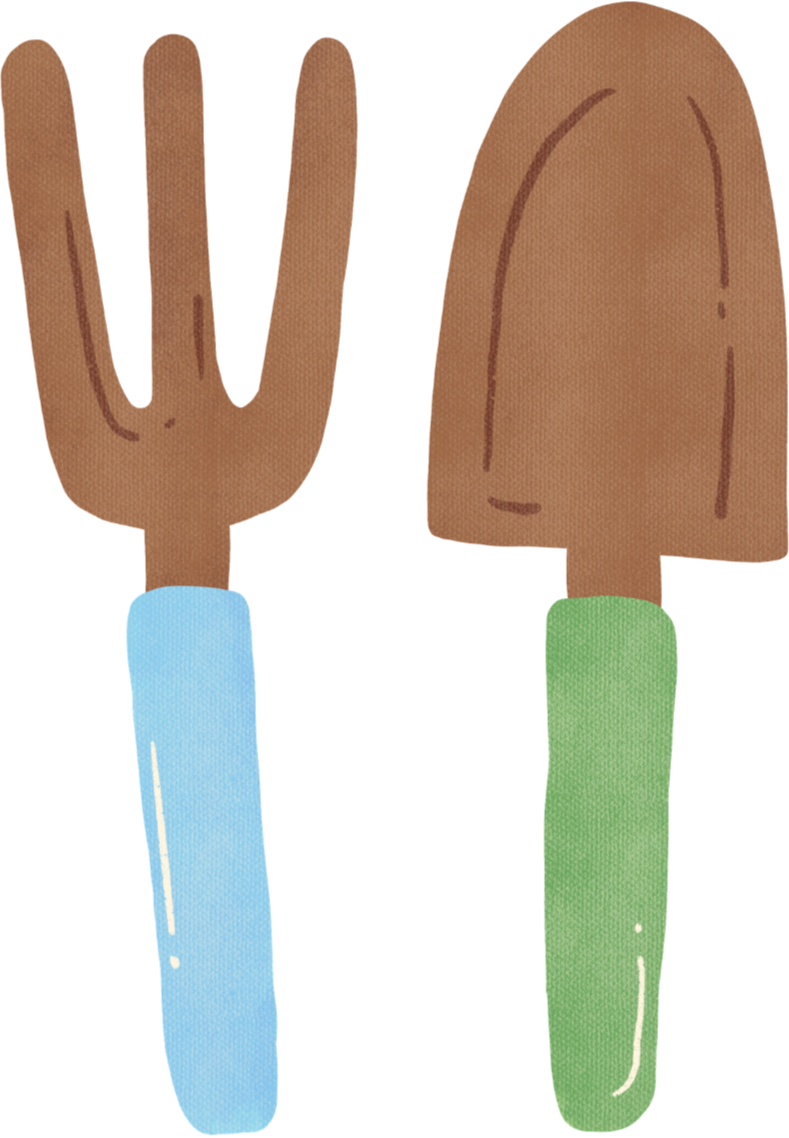
Spading Fork and Hand Trowel
This pair is the perfect starter set to care for your garden. The Spading Fork is a great primer before the Trowel. It separates, loosens, and aerates soil for new planting. The Hand Trowel is multi-faceted - digging, aerating, planting, and loosening soil from roots.
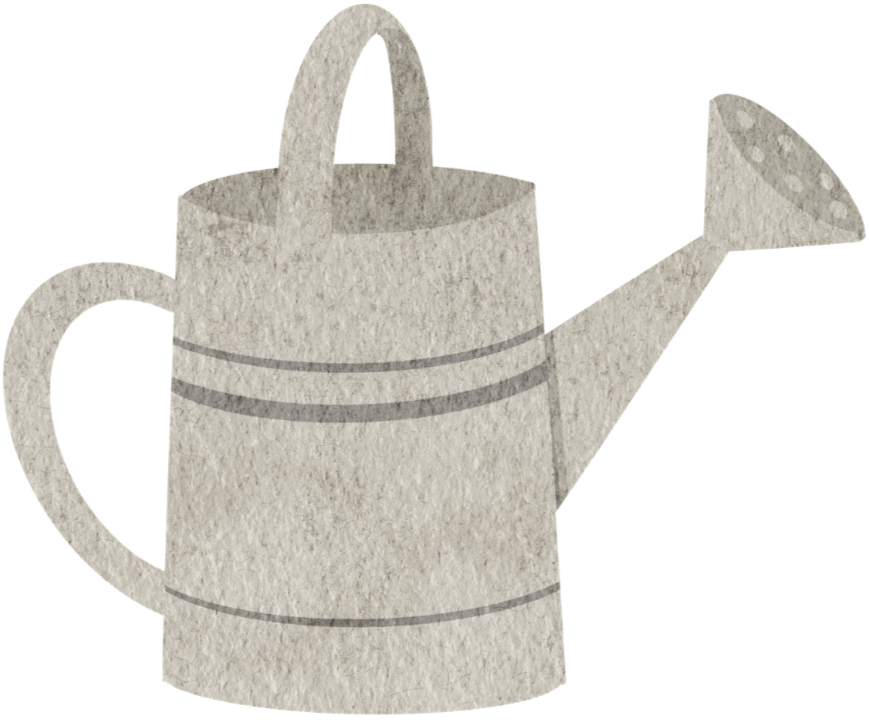
Watering Can
This is the last and one of the most important steps for new plants. The Watering Can has holes that distributes water evenly over the new plants or seeds and keeps the soil moist.
CHOOSING YOUR VEG
PWANT DA SEED!
Make a list of your blavorit fruits and veggies you love to cook with or flowers/plants you to love to be surrounded by. Some of Chef’s go-to’s for new planters in the spring season are peas, beans (various kinds, there are so many!), squash, marigolds, and herbs. See the list under Cheffy Recs! for Tiny tips on where to get your seeds and such!
STOCK YOWR SHED!
Just because Chef has been a planting pro for some years now, doesn’t mean he doesn’t LUB going back to the basics. He has many places where he sources seeds, like this seed exchange, and beginners’ items for starting your garden at Gardeners Supply or at True Leaf which also has non-GMO plants and seeds.
In many towns, cities, and villages, you have the benefit of local hardware stores, nurseries, and farmers markets. These spaces usually have experts who can answer questions and guide you to the right grouping of plants in season for your new garden. If you’d prefer used to new, many thrift stores have gently used tools, which is another form of sustainability!
DEWE’S NO PWACE WIKE HOME!
As mentioned above, local experts can give you great personalized recommendations of what to grow in your area, and when. But if you’d like to find that info out on your own, you can use online resources – like this Native Plant Finder – to check plants in your location!
PWANTS LUB FWENDS!
Companion Planting is a wonderfully considerate way to plant your crops. Plants benefit from compatible planting, and it even encourages the plants to grow better. Use this guide to see if your fav plants grow well together.
TIS DA PWANTING SEASON!
The trusty Farmer’s Almanac can provide a lot of insight and support to crops and planting seasons. Use the Farmer’s Almanac to find planting season/climate by crop based on the ones you chose.
CHEFFY RECS!
Chef has a few easy grows that do well in most climates this time of year.
Peas
Beans
Squash
Marigolds
Herbs
PREPARING YOUR GARDEN
MAKING YOWR BEDS!
Learn more about how to plan and prepare your beds to welcome your new plants.
A WOOM WIF A VIEW
Potting in smaller spaces? You don’t need a big backyard to get some roots growin’! The beauty of plants are that they can find a home on the tallest mountains or in the tiniest cracks in the pavement. Where there’s a room, there’s a way!
Here’s some tips and tricks to make the most of your petite planting spaces.
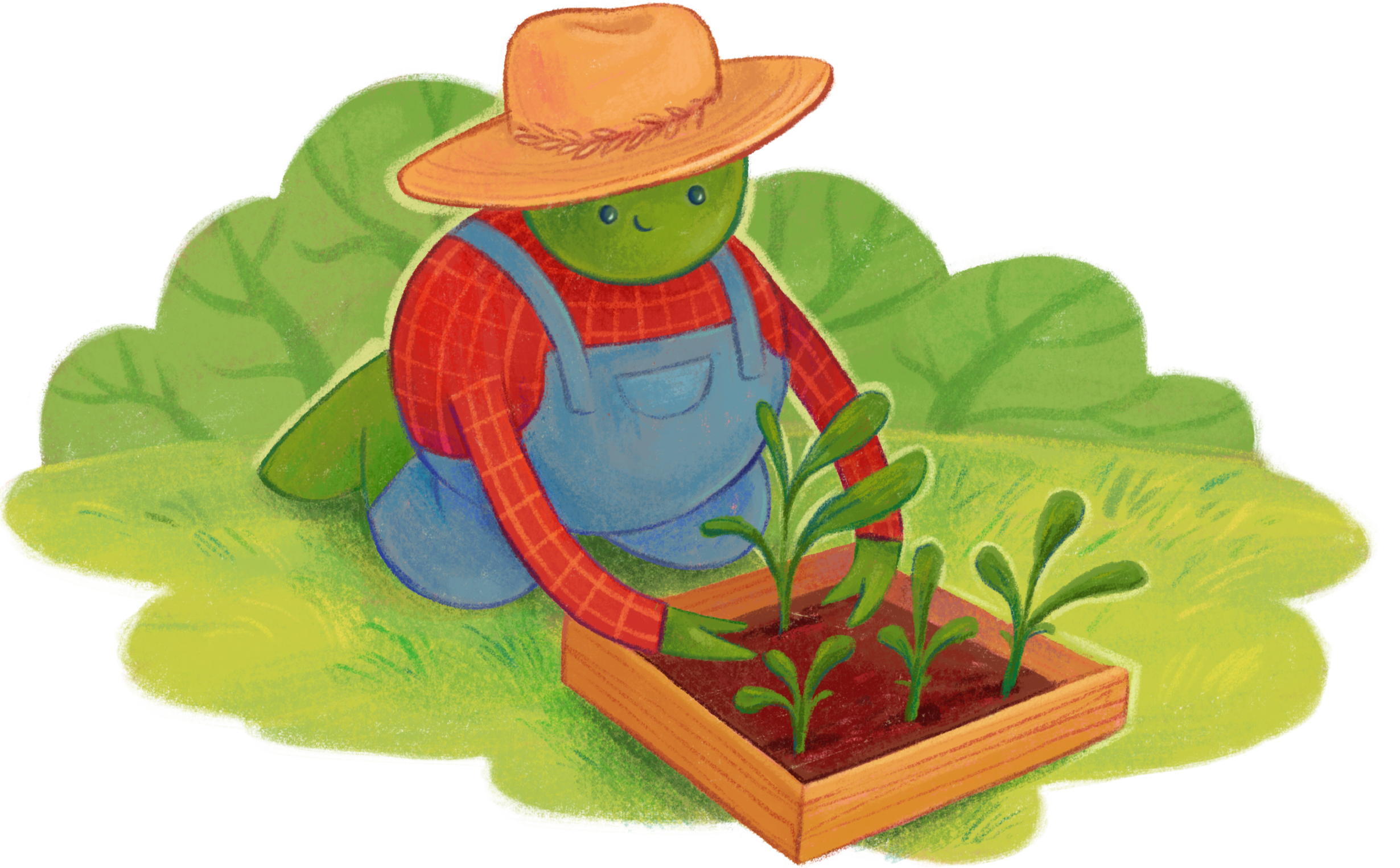
NURTURING THE SOIL
LUB YOUR SOIL!
Understanding how to improve and maintain healthful soil is vital to plant growing care. This guide helps you get your soil juicy and dewicious for plants!
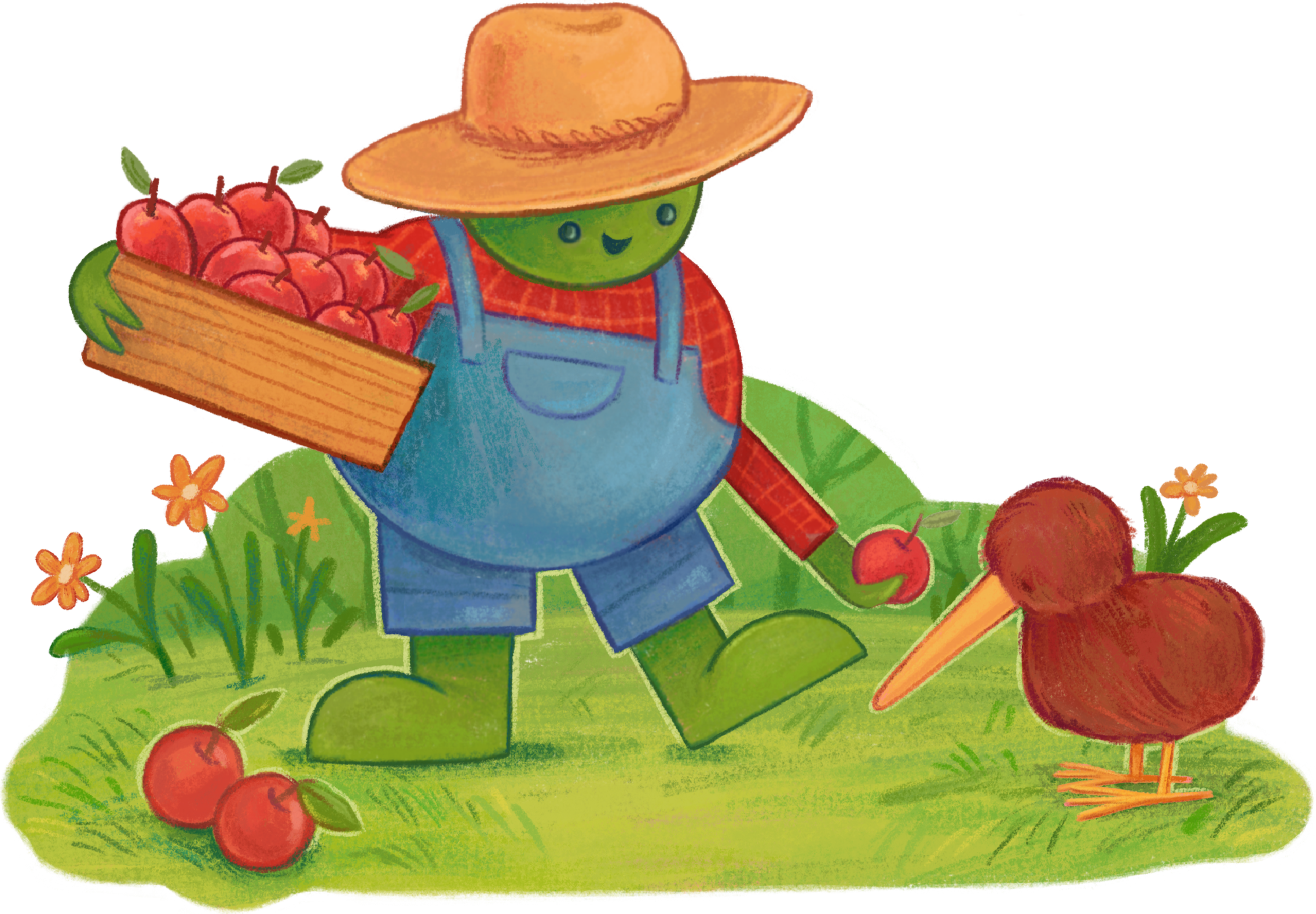
HARVESTING
RIPE FO DA PICKING!
Here’s a quick guide on how to harvest and prune your crop plants to preserve them for growing seasons to come! Like Cheffy always says, a whittle twim goes a long way!