CREATING A COMMUNITY CLEAN-UP WITH YOUR FWENDS!
This useful and comprehensive guide was published by the Conservation Law Foundation in the US. We added in a few Cheffy notes and shared the main bullet points with yewww. You can read the full article HERE!
PREPARE FOR YOUR CLEAN-UP!
Sign Up for a Cleanup
Look for local opportunities in your area or join a global clean-up effort, like those seen on Earth Day!
Get Help
Often times, your local governments or city councils will provide tools and resources to help your clean-up efforts. So you might not even have to provideo the resources yourself! Search “Earth Day” plus the name of your city council and see what resources are being offered. You can always give your local leaders a call - like Chef always says, “there’s nothin’ like chattin’ about saving the Earf!”
Mark Your Calendar, Pick a Spot
Choose a location easily accessible to you. But look ahead for the weather report, where you can park or meet up, and make sure that this spot is safe for you to access, not near a heavily motor trafficked area. And if you are a kid, make sure you always do this kind of work with a grown-up. Cheffy always wants yewww to put safety first!
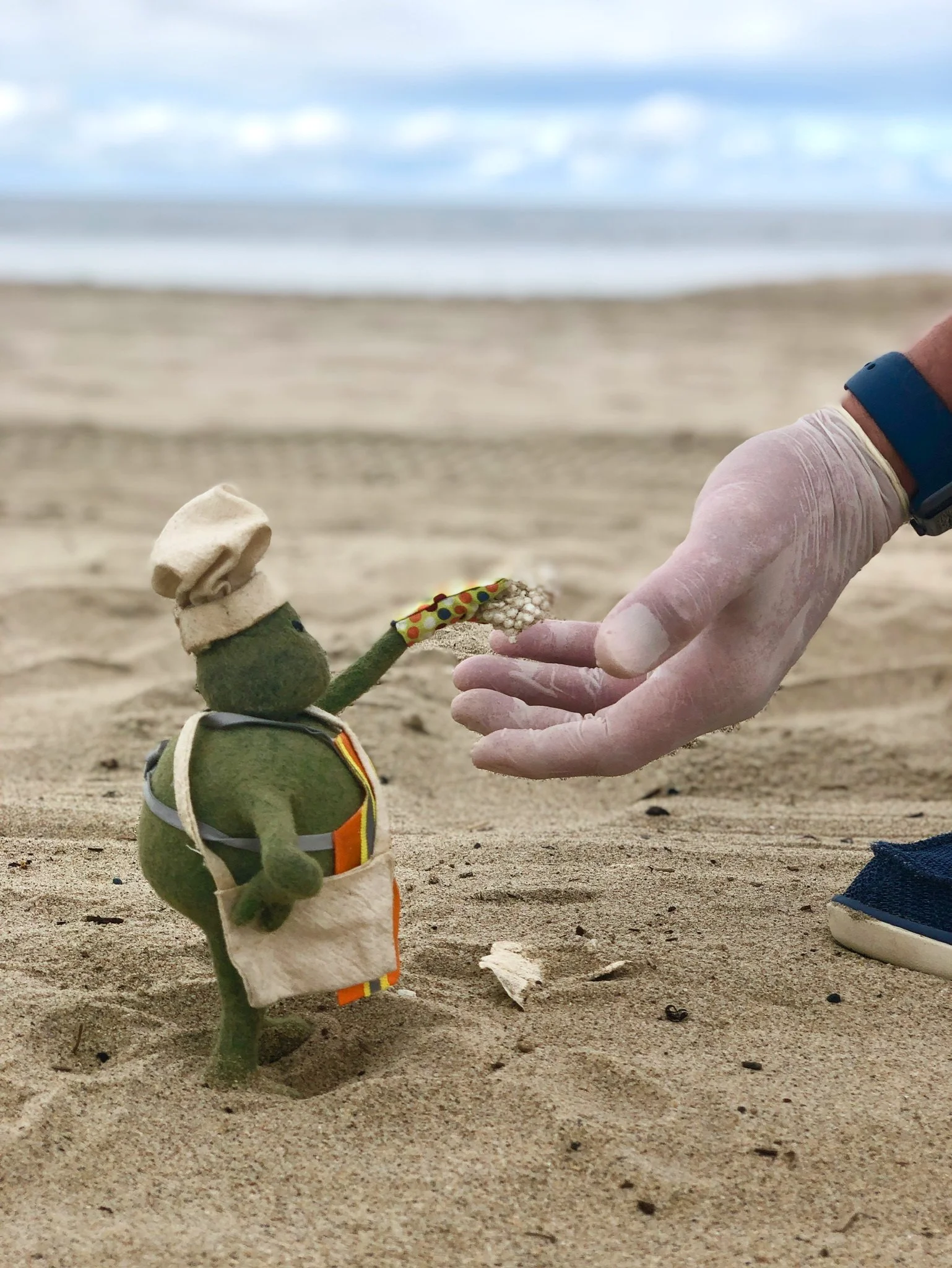
Gather Your Gear
Here’s a list of some items you should start gathering:
Cleanup essentials: Bags, gloves, trash grabbers, hand sanitizer
Safety: Water, sunscreen, sunglasses, hat, first aid kit
Go the extra mile: Camera, paper and pen for notetaking, trash bins
Sustenance: Don’t forget snacks, and any other source of hydration you need to stay cool!
Leave pets at home: Chef LUBs to bring Cwispin everywhere he goes, but clean-up days can be long, cover a large distance, and usually are in the sun and heat for periods of time. It’s best to leave our furry fwends at home and tell them all about it when you get back!
Cleanup Day: Have Fun and Watch Out!
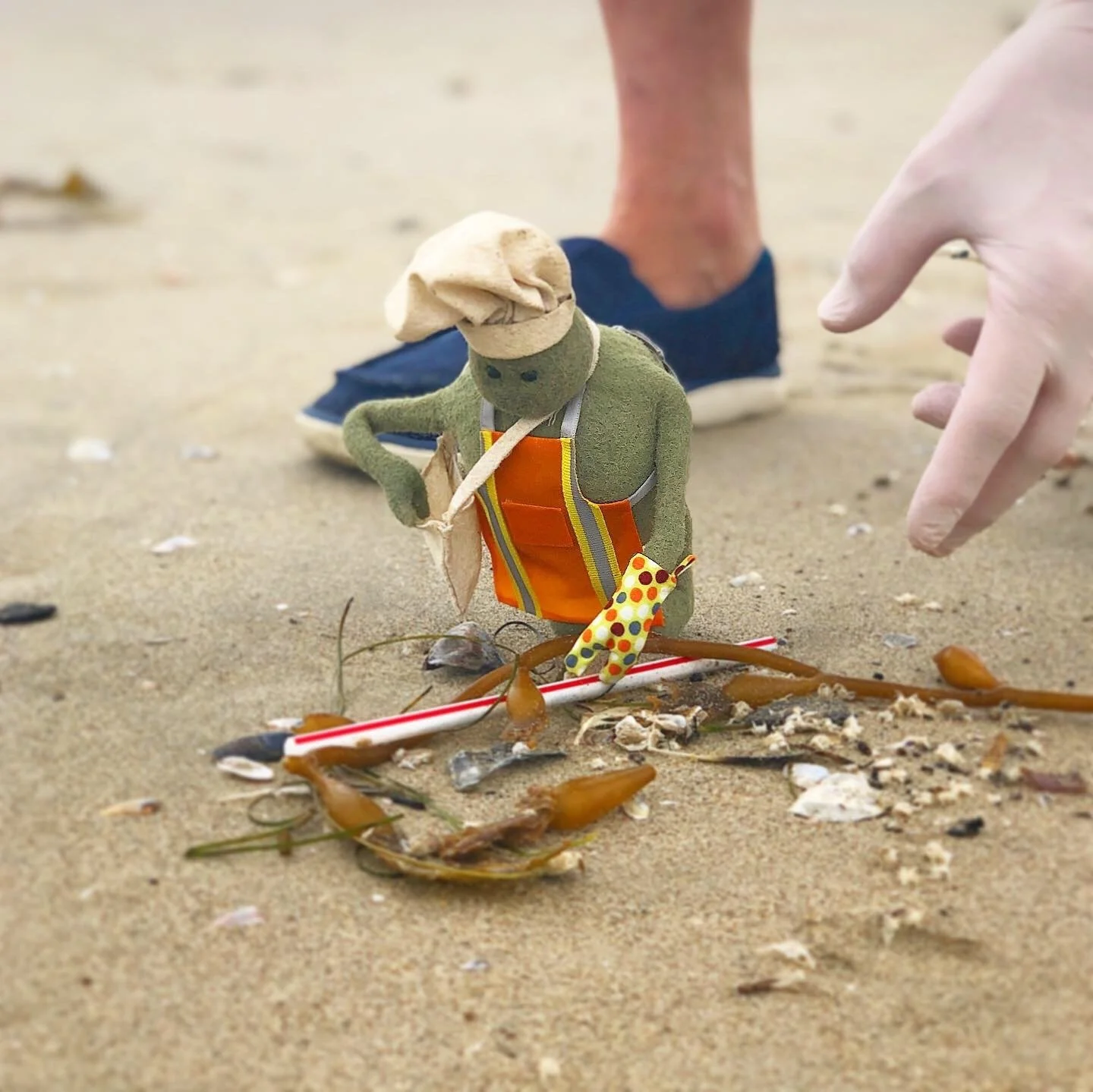
Every Piece Counts
We LUB this note from our fwends at the Conservation Law Foundation:
While seeing so much trash littering our neighborhoods is frustrating, remember that collecting even a few pieces of litter sends a message. You’re telling neighbors, the wider community, and even elected officials that trash-strewn parks and streets shouldn’t be the status quo. You’re also highlighting the detrimental impact that plastic has on our planet.
Safety First - So Important we say it, TWICE!
Your safety comes first! Dress appropriately and stay hydrated. Avoid picking up hazardous objects, including needles, heavy items, or any other sharp pieces of trash.
Packing Up: Make Your Cleanup Count
Cleanup is over – now what? In the best-case scenario, you find no trash – it’s time to go home. But whether you collect a handful of litter or fill up a pile of bags, the following steps can increase the impact of your cleanup.
Document Your Community Cleanup
By documenting litter, you’ll discover what items are turning up as waste. Keep it simple. Take notes on your phone. Do you see any trends? Counting common items – like bottles and cans – will give you a good starting point. But, if you want to take it up a notch, you can also use a form. Check out this trash tally sheet by our partners at the Ocean Conservancy.
For those who find tallying trash less than glamorous, there is still a way to document a cleanup. Take photos! This is a great way to account for items you couldn’t pick up, such as tires or sharp objects.
Recycle Right
Identify recyclable materials and put them in the recycling bin. But remember, not everything can be recycled. Avoid tossing plastic bags, PVC articles, or food wrappers into your bin. Check out our plastic recycling guide for a full list of recyclable items.
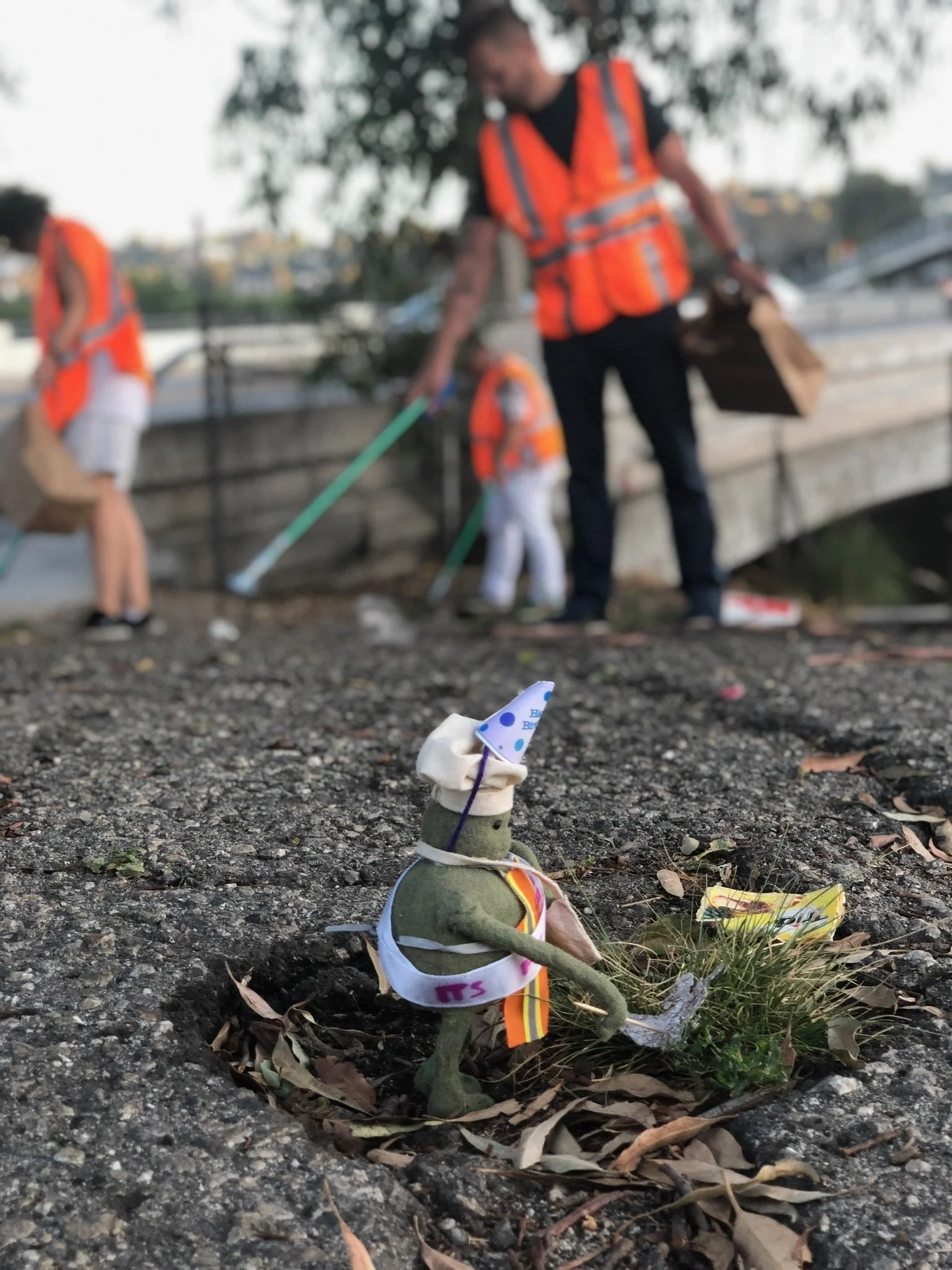
Make Some Noise!
Share your clean-up results with your local elected officials. Find an area that is in need of more community support? You can post on social media and tag your representative and senator. Local news stations can help spread the word. And don’t forget to send any of your clean-up pictures to fwendclub@thetinychefshow.com to be featured in next month’s Fwend Club issue!
Why Should We Treat the Symptoms?
We know that addressing the problem of plastic pollution requires a systemic solution. We also know that cleanups like ours treat the symptoms, not the disease. Yet, we cannot underestimate the impact of community cleanups.
Community cleanups bring people together to see first-hand the impact of plastic and garbage on our environment. But the most meaningful change will happen through collective action. Together, we can push decision-makers to fight for the clean, zero-waste future we deserve.